How My Igbo Learning Journey Began
Learning Igbo as a non-native speaker was never part of a grand plan. It did not start with a course, a textbook, or even a clear goal. It started with something much simpler and much more personal.
It started with love.
I was born and raised in Poland. Before meeting my Nigerian-born Igbo boyfriend in China (now my husband), I had never had any contact with the Igbo language or heard it spoken. The closest I came was hearing the name of a Polish football player, Olisadebe, who I knew had Nigerian heritage.
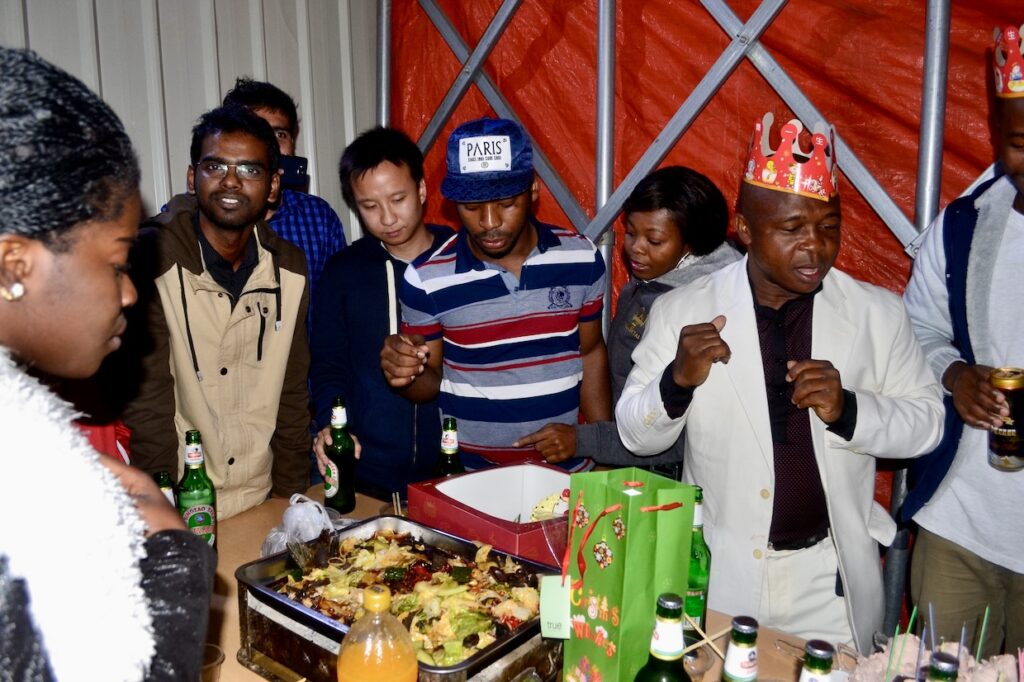
When we met in 2015, the language was unavoidably all around me. There was a large Nigerian community at the university we attended in China, and they were not shy about speaking Igbo or other Nigerian languages they all understood. I loved it.
I loved how they could switch between English, Igbo and Chinese comfortably, depending on who they were speaking to.

My First Experience Hearing and Speaking Igbo
My husband enjoys speaking Igbo, so I would hear the language in conversations, jokes, phone calls, and Igbo highlife music. Afrobeat was also regular, adding its richness to the mix.
Igbo sounded expressive, rhythmic and alive, but at the time I understood almost nothing.
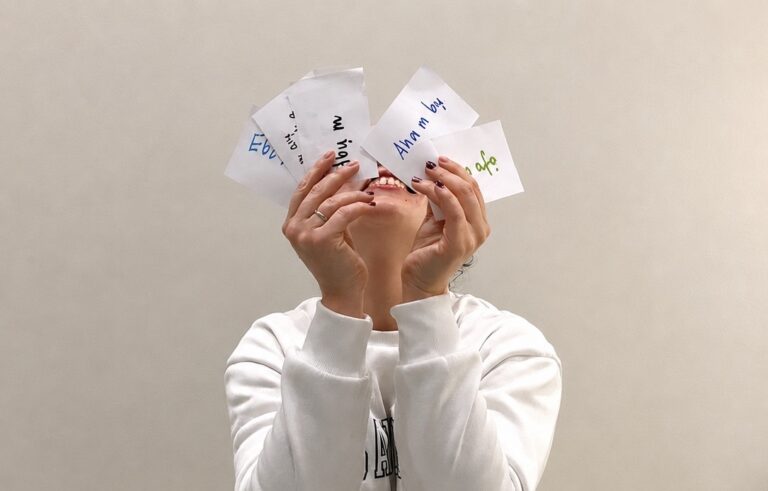
I wanted to understand few words, so whenever I heard an Igbo word used repeatedly, I would ask what it meant. Learning to pronounce simple words like “daalụ” (thank you) or “biko” (please) felt like small wins. Here is a list of the first 10 words and phrases I learnt.
As I began to use the few words I learned, something funny happened. Many of his friends started calling me “nwunye anyị” (our wife), even though we were not married at the time. The concept of “nwunye anyị” is a story for another day.
Those words were not just words. They were my first attempts at entering a world that already meant so much to someone I loved.
The Moment I Got It Wrong
My first real experience trying to speak Igbo was not perfect. I remember confidently saying a phrase I had practised, only to realise from the reaction that I had completely mispronounced it. It was embarrassing, to say the least.
I wanted to say:
Ị bụ íké m (“you are my strength”)
What I said sounded like:
Ị bụ íkè m (“you are my butt”)
The tones were off, so the meaning shifted completely. What I intended as something sweet came out wrong or just funny. We laughed. A lot. But my husband and his friends understood.

From Curiosity to Intention
What started as curiosity slowly became intention. Two years ago, I enrolled in an online Igbo class with a tutor. To get the foundation that I needed.
Fast forward to today, I am remembering phrases in Igbo without trying too hard. Words that once felt foreign started to feel familiar. The language that once sounded distant began to feel closer like something I could actually grow into. Credit to constant exposure and listening to my husband speaking Igbo to our child.
Of course, I am still learning. There are still moments where I pause mid-sentence, searching for the right word. There are still tones I get wrong and phrases I have to repeat.
I have come to appreciate that this is part of the process.
What Learning Igbo Means to Me
I speak other languages but learning a language like Igbo, especially one deeply tied to culture and identity, is not something I have to rush. It’s something I am experiencing.
For me, Igbo is more than vocabulary or grammar. It carries love, respect, emotion, and connection between me and my husband. It is a way of saying: I want to understand you more, just as he understands my own culture. Not just in the literal meaning of words, but in the context behind them. The expressions and the nuances.
Is Igbo Hard to Learn?
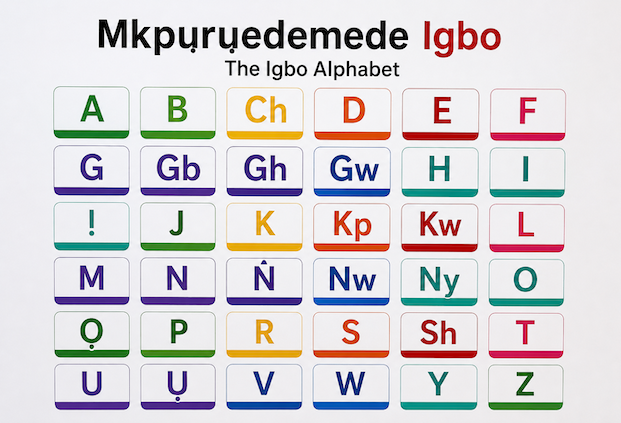
The difficulty depends on many factors, including your native language. One thing I learned early on this journey: Igbo is not a language you can approach casually. It demands attention, especially with tones. The same word can mean completely different things depending on how you say it.
That was one of my earliest challenges. I had to train my ear before I could train my tongue. But my Igbo learning journey has never been about perfection. It is about connection. I wrote more on how difficult Igbo is for me to learn in this post.
If You Are Starting Your Igbo Learning Journey
If you’re reading this as someone who is also thinking about learning Igbo, or any new language, find your reason and let it drive you. You just have to start. Mispronounce the words. Laugh at yourself. Repeat things ten times if you need to and don’t forget to celebrate the small wins.
Jisie íké. Ka ọ dị mgbe ọzọ (Untill next time).


This is Wow!!!
I am truly enjoying and also learning from you too.
Even if I am Igbo.
Ka Chineke duo gi n’ nje m gi a imu ka esi asu ma ede asusu Igbo
Ka Chineke duo gi n’ nje m gi a imu ka esi asu ma ede asusu Igbo
Daalu o! Ya gaziere gi
Just wow
Wow! great…. jisie ike nwunye anyi
Chukwu gbaa gi ume nke ukwuu.
You are doing great and the Igbos around the world love you.